Are Lower Tariffs on the Way? Here’s What the GOP and Trump’s Plan Could Mean for Trade
A New Trade Proposal that’s Catching Eyes
Trade policies aren’t usually the stuff of dinner-table conversation—but maybe they should be.
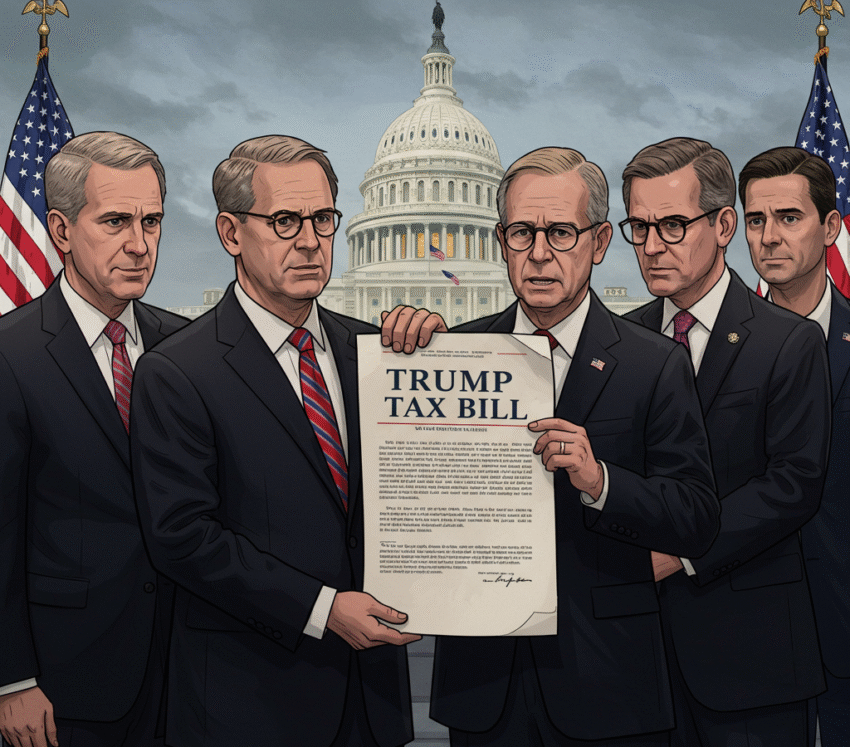
A new bill supported by Republicans and former President Donald Trump is making its way through Congress, and it could shake up the way the U.S. handles trade disputes. In simple terms, this proposal could make it easier to lower or remove some retaliatory tariffs that have been hurting American businesses and consumers.
So, what’s going on and why should you care?
Let’s break it down.
What’s in the Bill?
At the center of the conversation is a policy aimed at giving the U.S. Trade Representative more power to pause or stop certain taxes—known in trade terms as “retaliatory tariffs”—that have been harmful to American industries. These tariffs were initially slapped on by countries like China and the EU in response to U.S. tariffs imposed under the Trump administration.
Here’s a real-world example: If a small furniture company in North Carolina sells hardwood chairs to Europe, and the EU adds a 25% tax on those products in response to a U.S. steel tariff, that small business suddenly has a big pricing problem. Its products are now more expensive overseas, making them harder to sell.
The proposed bill could fix that by temporarily easing or removing those foreign retaliation tariffs when certain conditions are met.
Why Now?
Let’s be honest—talking about tariffs and tax policy might make your eyes glaze over. But here’s why it matters now:
– The global economy is closely connected.
– Tariffs affect everything from the price of groceries to job opportunities in manufacturing.
– With a U.S. election around the corner, both parties are trying to show how they’ll support domestic workers and businesses.
By backing this new approach, Republicans—and Trump—are signaling they want a more flexible and strategic trade policy. One that still protects American industries but also avoids the kind of tit-for-tat battles that make things worse for everyone.
Winners and Losers: Who Benefits from the Change?
Let’s take a closer look at who could gain the most if this bill becomes law.
| Group | Potential Impact |
|---|---|
| U.S. Exporters | Could see lower costs and improved market access abroad |
| American Consumers | May benefit from reduced prices on imported goods and fewer supply chain disruptions |
| Trade Partners | Encouraged to negotiate disputes without escalating tariffs |
| U.S. Government | Gains flexibility in using tariffs as a tool—not as a weapon |
But not everyone’s thrilled. Some lawmakers—and even some industries—worry that easing retaliatory tariffs might send the wrong message: That the U.S. is willing to back down, even when foreign countries aren’t playing fair.
The Trump Factor: A Look Back and Ahead
When Donald Trump was in office, he made tariffs a central part of his economic policy. He placed new taxes on steel, aluminum, and other goods, arguing it would boost American jobs and manufacturing.
But other countries didn’t just sit idly by—they hit back with their own tariffs, targeting everything from U.S. whiskey to motorcycles to soybean exports.
Fast forward to now, and Trump—seen as the GOP’s frontrunner ahead of the 2024 election—is supporting this new plan. It’s part of a broader message that he’s tough on trade, but also smart about when to ease up. The goal? Support American interests without escalating into endless trade wars.
What Are Retaliatory Tariffs, Anyway?
If you’ve ever been in a spat with a sibling and they mirrored your every move just to annoy you, you’ll understand the basic idea of a retaliatory tariff.
The U.S. places a tariff on a foreign good. That country responds with its own tax—one that often targets politically sensitive businesses or swing-state industries. Voila! You’ve got yourself a trade war.
Here’s the twist: the people who usually feel the hurt first aren’t politicians. It’s the workers, businesses, and consumers.
Why Small Businesses Are Watching Closely
Many small and mid-sized companies can’t just “wait out” a trade war. They rely on predictable costs and open markets. When prices suddenly spike or access to foreign buyers dries up, it hits hard.
Take, for instance, a specialty cheese maker in Wisconsin. When European buyers have to pay a retaliatory tariff, they might switch to a cheaper alternative from another country. Just like that, an American business loses its market share.
That’s why many in agriculture, manufacturing, and tech are pushing for more flexible tools to settle trade disputes—without hurting domestic businesses in the process.
What Happens Next?
This bill hasn’t passed just yet, but it’s barreling toward potential votes. If it moves forward, it could become one of the first signs of how trade policy will shift heading into the next election.
And it’s not just about tariffs. It’s part of a larger conversation about what it means to have a “smart” trade policy in 2024 and beyond. One that protects American jobs—but doesn’t isolate the U.S. from the rest of the world.
A Balancing Act for Policy Makers
Trade policy is a bit like walking a tightrope. On one side, there’s protection—making sure American industries aren’t exploited. On the other, there’s openness—keeping relationships strong with global partners and prices down at home.
The new proposal supported by Trump and Republicans aims to find that balance. It’s not about removing all tariffs or backing down from tough negotiations. Instead, it’s about having the option to pause and negotiate smarter tactics before things worsen.
The Takeaway
If passed, this bill could mark a big shift in the U.S. trade game—offering relief for businesses that have felt stuck in the crossfire of global beefs.
In short:
– Tariffs aren’t just political tools—they affect real people.
– A more flexible trade approach might benefit everyone—from farmers to factory workers.
– Trump and Republicans are betting that smart trade strategy, not just hardball, is what voters want.
Final Thoughts
Even if trade policy isn’t your typical water-cooler topic, it’s worth paying attention to how these rules play out. They influence what you pay for goods, where your favorite products come from, and maybe even your job.
So, as the bill moves forward, ask yourself: Do we want our leaders locked into rigid policies, or do we want them to have the tools to adapt and protect American interests?
Sometimes, a small shift in policy can make a big difference in everyday life.
And in trade, just like in life, flexibility often wins.