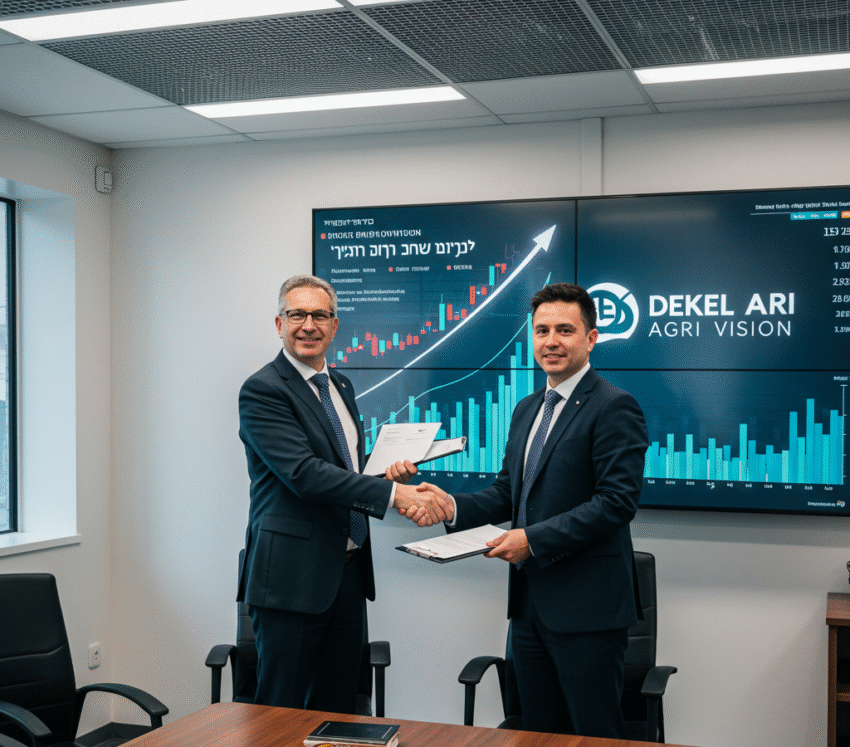
Dekel Agri-Vision Directors Show Confidence by Converting Debt and Buying Shares
It’s not every day that company leaders put their own money on the line. But that’s exactly what the directors at Dekel Agri-Vision have done. Their recent move to convert existing loans into company shares, along with fresh investments, is making waves. Why? Because when the people running the business put more skin in the game, it sends a strong message—they believe in the future of the company.
What Exactly Happened?
Dekel Agri-Vision, an agriculture-focused company operating in West Africa, announced that its key directors have taken part in a share subscription. This means they’ve used their own money to buy more shares in the company. On top of that, they’ve agreed to convert outstanding loans owed to them into shares, reducing company debt.
Let’s Break That Down
Imagine you lend money to a friend who runs a small business. Instead of asking for that money back, you say, “Give me part of your business instead.” That’s pretty much what Dekel’s directors have done. They’ve turned their debt into equity—ownership in the company. And that speaks volumes about how much they believe in Dekel’s future.
By the Numbers: What Was Invested and Converted?
Here’s a simple look at the numbers involved:
| Director | New Shares Subscribed | Debt Converted to Shares | Total Shares After Transaction |
|---|---|---|---|
| Lincoln Moore (Executive Director) | 9,375,000 | 50,937,243 | 149,087,243 |
| Patrick Decavèle (Non-Executive Chairman) | 6,250,000 | 9,975,560 | 34,350,956 |
| Youval Rasin (CEO) | None | 56,250,000 | 208,799,062 |
In total, about £195,000 of new cash came in, and over £480,000 worth of debt was converted into ownership shares. That’s a bold vote of confidence from the top brass.
Why Is This a Big Deal?
When leaders invest in their own company, it usually means one thing: they believe it’s undervalued or poised for growth. For everyday investors, this can be a major green flag. It suggests management isn’t just running the company—they’re betting on it.
Trusting the Team
In investing, it’s all about trust. If you see the CEO and board members backing the company with their wallets, it’s easier to trust the business. It tells you they believe in what they’re building, and they’re in it for the long haul—not just for a paycheck.
What Does It Mean for Dekel’s Future?
This move could free up cash for the company to focus on growth, rather than managing debt. That’s a smart shift, especially in the current economic climate where borrowing costs are high.
Dekel Agri-Vision is particularly well-known for its palm oil operations in Côte d’Ivoire. With growing palm oil demand and expansion plans underway, this internal investment could be perfectly timed.
Here’s What’s Coming Down the Pipeline:
- Increased output from its Ayenouan palm oil project.
- Progress on its cashew project aimed at diversifying revenue.
- Potential for higher profit margins with reduced debt obligations.
Should Regular Investors Take Notice?
Absolutely. While insider buying isn’t a guarantee that share prices will rise, it’s often seen as a positive indicator. Here’s why:
- It shows alignment between management and shareholders.
- It reduces the risk of sudden leadership exits—they’re invested deeply.
- It signals confidence in the company’s strategy and future outcomes.
If you’ve been watching Dekel from the sidelines, now might be a good time to dig deeper. No need to rush out and buy shares blindly, but it’s worth doing your homework. Ask yourself:
- Does Dekel’s business model make sense to me?
- Do I see demand for palm oil and cashews continuing to rise?
- Am I comfortable with the risks of investing in emerging markets?
How This Strategy Might Impact the Stock
Debt conversion reduces the burden of repayments, which can lift a company’s financial health. Think of it like trimming the fat—you lose some weight (debt) and move more freely.
Also, issuing new shares can result in “dilution,” meaning each existing share becomes a slightly smaller piece of the pie. But in this case, since shares are being given to those who were already creditors, it’s more of a firm re-structuring than a dilution disaster.
Final Thoughts: A Strong Signal from the Top
When a company’s leadership digs into their own pockets, it tells a story. And this story is one of confidence, realignment, and belief in Dekel Agri-Vision’s mission. The directors aren’t just managing—they’re building. Brick by brick, share by share.
If you’re an investor who likes to follow where the smart money goes, this move deserves your attention. As always, it’s important to weigh the risks, analyze the business, and consider your own investing goals before stepping in. But the message is clear: Dekel’s leadership is all in.
Keywords:
Dekel Agri-Vision, directors buying shares, debt-to-equity conversion, insider investment, palm oil production, company debt reduction, investing in West Africa, cashew project, share subscription, confidence in leadership
Have thoughts or questions about Dekel’s move? Drop them in the comments below!