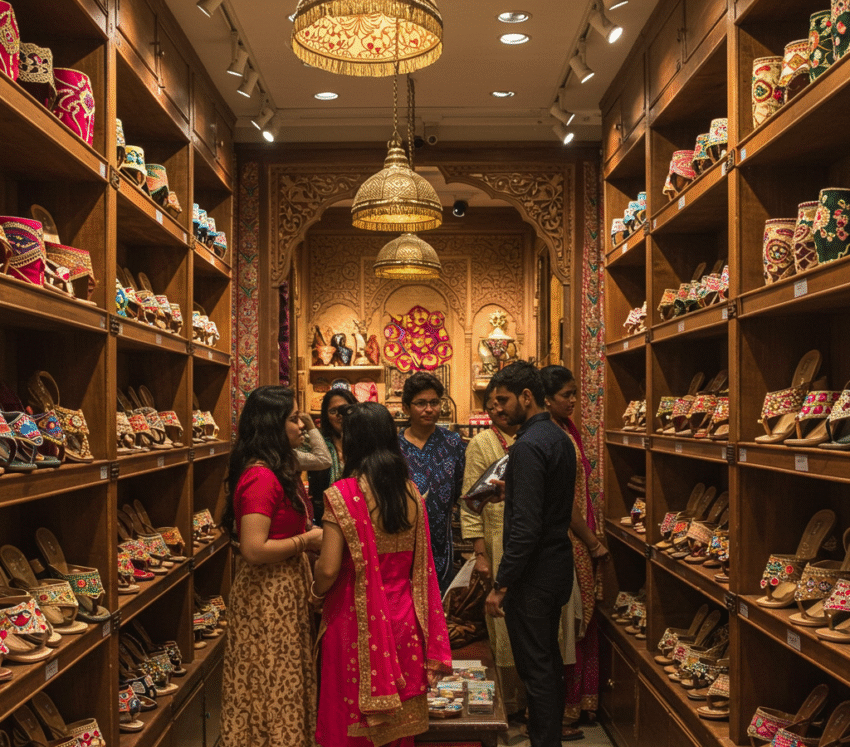
Indian Brands Embrace Heritage Over Hype: A Bold Move Toward Cultural Pride
In a world where global fashion trends often dominate the spotlight, Indian brands are turning the tide by leaning into their roots—and it’s catching everyone’s attention. A recent controversy over a luxury sandal resembling traditional Indian footwear sparked something unexpected: a conversation about authenticity, pride, and cultural heritage. And now, homegrown Indian brands are taking this as an opportunity to shine.
When Fashion Misses the Mark
It all started when a popular luxury fashion house released a pair of costly leather sandals priced at around ₹1 lakh (approximately $1,200 USD). Sound familiar? To many Indians, they looked remarkably like the humble “Kolhapuri chappals”—traditional sandals handmade in Maharashtra for generations.
Social media lit up. People were outraged, amused, and curious. Why spend a fortune on something that they could pick up at a local market for a tiny fraction of the cost?
What’s the Real Issue?
This goes beyond footwear. It’s about respect and representation. Many felt that while the design was blatantly inspired by Indian tradition, there was zero recognition of its roots—no mention of Kolhapur, Indian craftsmanship, or the artisans behind it. It stung.
But rather than stay angry, Indian brands decided to take action—with style.
Indian Brands Take the Center Stage
The silver lining? Indian fashion and lifestyle companies saw an opportunity to spotlight what they’ve been doing all along: honoring traditional craftsmanship and local artisanship.
Brands like Metro Shoes, Fizzy Goblet, and House of Vian are now making waves by highlighting their Indian heritage. They’re showing off what makes local design so special. This isn’t just a business move—it’s a cultural one.
Why Are These Brands Winning Hearts?
Let’s break it down:
- Cultural authenticity: They give credit where it’s due, often collaborating with local artisans who have been perfecting their craft for generations.
- Modern twist: While rooted in tradition, these brands offer contemporary designs that appeal to today’s fashion-conscious shoppers.
- Affordability: You don’t need to spend a fortune to own something stylish and meaningful.
Arena of Opportunities: Homegrown Is the New Global
The move toward embracing Indian heritage is also part of a bigger trend. Consumers today care about where their products come from. They want stories, craftsmanship, and connection—not just logos and labels.
Indian consumers, especially millennials and Gen Z, are no longer blindly following Western trends. They’re more confident in their identity—and yes, more willing to flaunt a jutti or a saree-inspired design than a flashy brand with no soul.
Even e-commerce platforms like Nykaa Fashion and Tata CLiQ are curating and pushing local brands to the forefront. It’s a strong sign that tide is turning in favor of the local movement.
Brands Leading the Way
Here’s a quick look at some Indian brands making a name by cherishing culture and tradition:
| Brand Name | Focus Area | What Sets Them Apart |
|---|---|---|
| Metro Shoes | Footwear | Indian craft-inspired designs for mass appeal |
| Fizzy Goblet | Fashion Footwear | Handcrafted juttis with trendy prints and collabs |
| House of Vian | Luxury Footwear | Bridging traditional juttis with modern aesthetics |
| Suta | Apparel | Revives handloom and sustainable sari fashion |
| Bunaai | Women’s Clothing | Focuses on traditional designs made modern |
What Does This Mean for Consumers?
If you’re tired of cookie-cutter designs and want something with real meaning, now is the perfect time to explore India’s own design scene. Not only will you find stylish picks, but you’ll also be supporting local economies, rural artisans, and traditional crafts that are often disappearing.
Imagine wearing a beautifully embroidered sari or a pair of handcrafted footwear—knowing that it was made by someone continuing a centuries-old craft. Feels special, doesn’t it?
Why Cultural Connection Matters in Fashion
In fashion, storytelling is power. Every stitch, motif, and fabric can tell you where it’s from and who made it. Indian handicrafts—from intricate embroidery to block-printed designs—have rich stories. And when brands respect these traditions, their products carry that authenticity forward.
Let’s take Kolhapuri chappals as an example. They’re not just sandals. They’re made of pure leather, tanned using natural dyes, and built to last. Each pair takes hours, sometimes days, to make. That care and dedication? It’s hard to buy from a fast-fashion rack.
It’s About More Than Just Fashion
This shift isn’t just about sandals or sarees. It’s about a sense of pride—pride in local culture, in homegrown products, and in being Indian. For years, global brands have looked to India for “inspiration.” Now, Indian brands are saying, “Hey, we don’t need translation. We’re already originals.”
Looking Ahead: What’s Next for Indian Fashion?
The future looks bright. More and more consumers are picking products with a story and a conscience. The growing “vocal for local” movement is not just a hashtag—it’s a real change in mindset.
Here’s what we’re likely to see:
- Increased collaborations between designers and artisans
- Wider global reach as Indian designs get international love
- Sustainable materials and slow fashion taking center stage
Think of it as India stepping confidently into the global fashion scene—not by mimicking the West, but by celebrating its own beautiful, rich, and vibrant traditions.
Final Thoughts
So, next time you’re shopping for a new outfit or accessory, pause and ask: Does this reflect my style or my story? Because fashion that honors roots isn’t just trendy—it’s timeless.
And if a pair of Kolhapuri chappals is good enough to inspire high-end fashion houses, it’s certainly good enough to have a proud place in your wardrobe!
Support local. Wear your heritage. And walk with pride.