Boeing Lands Major $2.8 Billion Satellite Contract with U.S. Space Force
When we think of Boeing, most of us picture airplanes soaring through the sky. But did you know that Boeing also plays a big role in space technology? Recently, the company made headlines by securing a massive $2.8 billion contract to build military satellites for the United States Space Force.
Let’s dive into what this deal means, why it matters, and how it shapes the future of defense and satellite technology—not just for the military, but also for the growing space economy.
So, What’s the Big News?
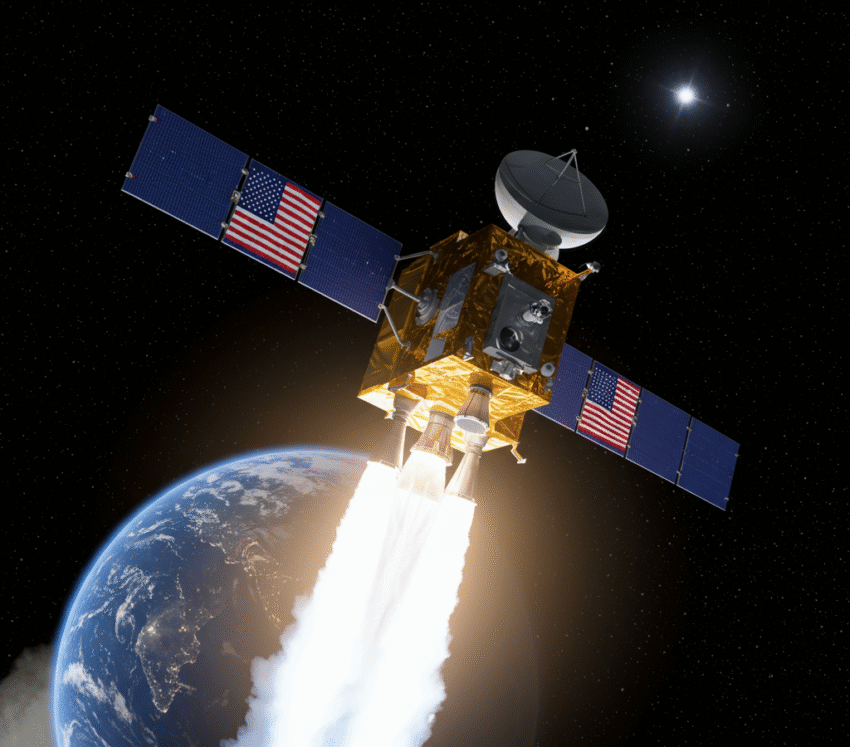
In short, Boeing beat out fierce competition and won a contract worth $2.8 billion to build and deliver 11 advanced satellites. These satellites are part of the Protected Tactical SATCOM (PTS) program, which aims to provide secure and reliable communication systems specifically designed for the U.S. military.
In simple terms, these are high-tech satellites that help the armed forces communicate—even in tough, war-like conditions where signals can be blocked or hacked.
Why Is This a Big Deal?
This contract isn’t just a win in dollars—it’s a win in reputation, innovation, and future opportunities. Here’s why it’s such a game changer:
- Huge investment: At $2.8 billion, it’s one of Boeing’s largest space-related contracts ever.
- Strategic advantage: These satellites will improve secure communications for the U.S. military, especially in remote or contested locations.
- Outpacing rivals: Boeing came out ahead of Lockheed Martin and other industry giants for this project.
Who’s Involved in This Project?
The mission is being led by Boeing but it’s not a solo venture. The contract was awarded by the Space Systems Command, a part of the U.S. Space Force, which oversees satellite systems crucial for defense. The goal is to complete and deploy these 11 satellites by 2032.
Here’s a simple breakdown of the project’s key details:
| Project Name | Protected Tactical SATCOM (PTS) |
|---|---|
| Contract Value | $2.8 billion |
| Number of Satellites | 11 |
| Lead Contractor | Boeing |
| Customer | U.S. Space Force |
| Completion Deadline | By 2032 |
Putting Satellite Communication into Perspective
Imagine you’re in a remote corner of the world—desert, jungle, or deep in the ocean. Your mobile phone isn’t working, and there are no visible antennas or towers. How do you send or receive important messages? That’s where satellite communication comes in.
The U.S. military often operates in such isolated settings. With these new satellites, troops can send and receive messages securely, without interference. They’ll be able to rely on constant, encrypted communications, which is crucial during mission-critical moments.
Security Takes Center Stage
One of the biggest perks of this project lies in its ability to provide “anti-jam” communication. That means even if enemy forces try to disrupt the signal, these satellites are designed to keep messages flowing. Think of it like trying to shut down a conversation in a noisy room but still being able to whisper and be heard by the right person.
With new global threats and cyber disruptions on the rise, reliable communication is more important than ever. These advancements could make all the difference in high-risk situations.
Boeing’s Space Strategy—More Than Just Airplanes
Boeing has long been a big name in aviation, but its space ambitions are starting to soar as well. In addition to military satellites, the company is working on space exploration projects, such as the CST-100 Starliner—a spacecraft designed to carry astronauts to the International Space Station.
In recent years, Boeing has ramped up its competition with other aerospace heavyweights like Lockheed Martin, Raytheon, and even tech-focused companies like SpaceX. Winning this contract boosts Boeing’s position as a serious player in both government and commercial space ventures.
Good News for Jobs and the Economy
Another overlooked piece of the puzzle? Jobs. A project of this scale is likely to generate thousands of engineering, design, and manufacturing jobs across the U.S. It fuels local economies, supports innovation, and provides opportunities for fresh talent in science and technology sectors.
As someone who grew up fascinated with space and tech, I remember attending a NASA summer camp. Back then, the idea of working on satellites seemed like something only sci-fi heroes did. Today, that dream is a real job for thousands of Americans—and contracts like these help make it possible.
Where Do We Go From Here?
Looking ahead, this project lays the groundwork for other large-scale space communication networks. It also opens doors for Boeing to participate in international projects and commercial satellite systems.
Here are a few possibilities:
- Improved global military alliances through secure satellite networks.
- Collaboration with NASA and other space agencies.
- Future commercial communication satellites for broader civilian use.
Final Thoughts: More Than Just a Space Contract
This $2.8 billion deal isn’t just another line in Boeing’s portfolio. It’s a strong signal that space technology is moving from niche to mainstream—and fast. With secure communications essential for military operations, Boeing’s latest victory could well shape the future of both defense and technology.
And who knows? Maybe the satellite that’s helping soldiers stay connected today will inspire tomorrow’s communication breakthroughs for everyone else—including better internet coverage in rural areas or during natural disasters.
What do you think—will more companies follow Boeing’s lead into the final frontier?
Keywords:
Boeing satellite contract, US Space Force satellites, Protected Tactical SATCOM, Boeing defense deal, anti-jam satellite technology, secure military communications, Boeing space technology, aerospace contracts 2024
Want to stay updated on aerospace and defense tech? Subscribe to our blog for more insights like this!