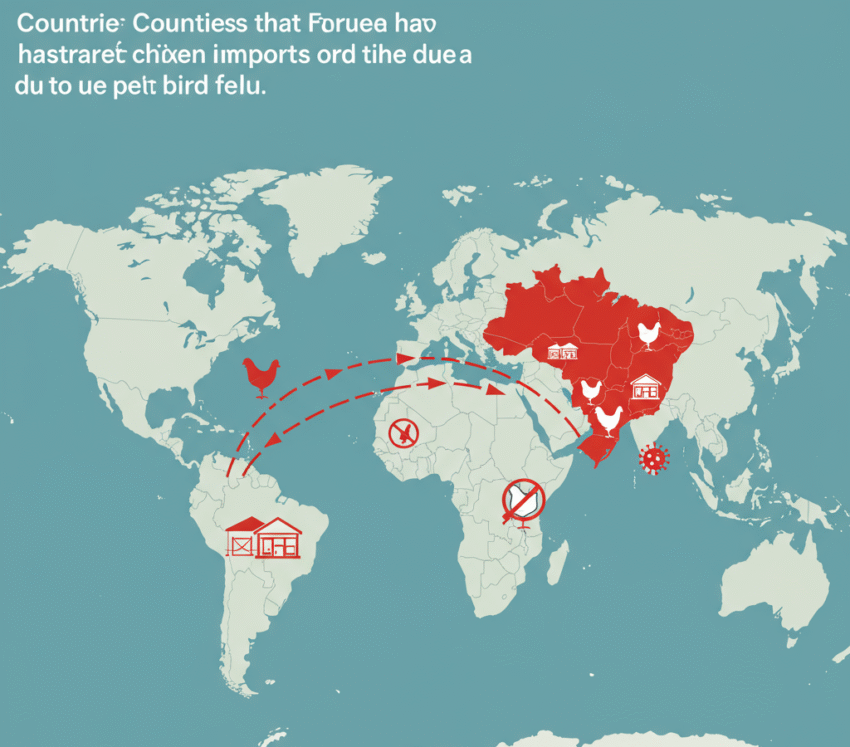
Why Are Countries Banning Brazilian Chicken? A Look Into the Recent Bird Flu Concerns
Did you know Brazil is the world’s top chicken exporter? But recently, this poultry powerhouse has run into a bump in the road—avian influenza, commonly known as bird flu. As a result, several countries have put restrictions on chicken imports from Brazil. Let’s dive into what’s going on, why it matters, and what it means for your plate.
What’s Happening with Bird Flu in Brazil?
In May 2023, Brazil confirmed cases of highly pathogenic avian influenza (H5N1) in wild birds. While no outbreaks have been reported in commercial poultry farms yet, the news alone was enough to ruffle feathers globally.
Brazilians love their chicken, and so does the rest of the world—the country ships poultry to more than 150 countries. So, even a potential risk sent importing nations rushing to re-evaluate their food safety guidelines.
Why Is Bird Flu Such a Big Deal?
Bird flu is a contagious disease affecting birds, especially poultry like chickens, turkeys, and ducks. While it’s rare, some strains can even infect humans. This makes countries extra cautious when it comes to importing meat from areas with outbreaks.
For now, Brazil’s bird flu cases are in wild birds only, but fears of cross-contamination have already caused trade reactions. Let’s see who has implemented restrictions—and to what extent.
Which Countries Are Restricting Brazilian Chicken?
Here’s a simple table breaking down the countries that have placed restrictions and what kind they’ve imposed:
| Country | Type of Restriction | Details |
|---|---|---|
| Japan | Regional Ban | Banned imports from Espírito Santo and Santa Catarina |
| Argentina | Regional Ban | Suspended imports only from affected Brazilian states |
| Uruguay | Complete Ban | Suspended all poultry imports from Brazil as a precaution |
| South Africa | High-Level Restriction | Maintained ban from past outbreaks; no new action yet |
| Saudi Arabia | Swift Response | Restricted meat from states with confirmed wild bird cases |
Why Are Some Countries Only Banning Certain Regions?
Not all countries are going for full bans. Some are only halting chicken exports from the specific regions in Brazil where wild bird cases have been found—like Espírito Santo and Santa Catarina.
Think of it like this: You discover a leak in one room of your house. Instead of closing the door to your entire home, you just shut off the affected room. That’s the logic behind regional bans. It limits the economic impact while still addressing the health concerns.
How Is Brazil Responding?
Brazil’s government has been pretty upfront. They stressed that the bird flu cases are limited to wild birds and haven’t made it into poultry farms. Also, the agriculture ministry pointed out that this doesn’t change Brazil’s “bird flu-free” status recognized by international health and safety standards.
To prevent further spread, they’ve also ramped up surveillance and biosecurity practices, especially in high-risk areas where wild birds and poultry farms are located close together.
Is Brazilian Chicken Still Safe to Eat?
The World Health Organization says that when chicken is cooked properly—to at least 165°F (or 75°C)—bird flu isn’t a threat. High heat kills the virus completely. So from a consumer’s point of view, properly cooked chicken from Brazil or anywhere is safe to eat.
That said, trade bans can still impact the market, causing prices to shift or supply shortages in certain countries.
What Could Happen Next?
That’s the big question, right?
If bird flu is found in commercial poultry farms, we might see more countries expanding or tightening their restrictions. On the flip side, if Brazil keeps things contained to wild bird populations and no farm outbreaks happen, we could see countries relaxing their current bans.
In the meantime, Brazil is working closely with its trading partners to reassure them of control measures. It’s a balancing act—keeping its chicken exports flowing while protecting both animal and human health.
How Does This Affect You and Me?
If you live in a country that imports chicken from Brazil, you might see a slight increase in poultry prices or even temporary shortages. Restaurants and food manufacturers who rely on Brazilian chicken may also have to look for alternative suppliers.
On the flip side, this could be an opportunity for local poultry farmers in some countries to step in and meet demand. Win-win?
Final Thoughts: What Should We Watch Out For?
In an interconnected world, what happens in one country can affect dinner plates halfway across the globe. Bird flu may sound like just another health scare, but its impact goes far beyond farms. Trade agreements, food supply chains, and even public perception all play a role.
So here are a few things to keep an eye on:
- Updates from Brazil’s agriculture ministry about new cases or control measures.
- Changes in trade policies from major importing nations.
- Fluctuations in chicken prices at your local grocery store or restaurant.
Stay Informed and Stay Safe
It’s always wise to stay updated when it comes to food safety. And remember—proper cooking is your best line of defense against any foodborne illness, bird flu included. Until then, let’s keep an eye on the news, support local farmers, and, of course—enjoy that perfectly grilled chicken!
Have you noticed any changes in chicken prices lately? Share your experience in the comments below!
Keywords: bird flu, Brazilian chicken export ban, avian influenza, Brazil poultry trade restrictions, is Brazilian chicken safe, food safety, international trade chicken, chicken price increases