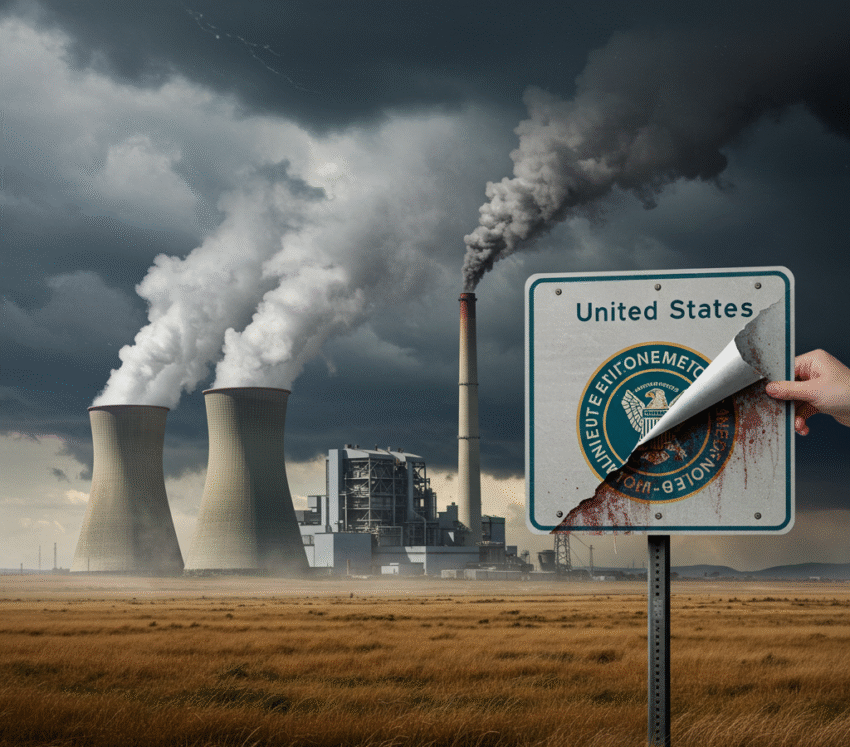
EPA’s Shift in Fossil Fuel Enforcement: What It Means for the Environment and Economy
Is the U.S. Giving Fossil Fuel Companies a Free Pass?
The U.S. Environmental Protection Agency (EPA) is changing its stance when it comes to holding fossil fuel companies accountable. According to recent reports, the EPA plans to stop enforcing certain environmental laws against oil, gas, and other fossil fuel companies. This move has sparked debate across the country, leaving many wondering — what does this mean for our air, water, and planet?
Let’s break it all down in simple terms. No politics, no jargon—just the facts, the concerns, and what everyday folks like you and me might want to keep an eye on.
What’s Actually Changing?
So what’s this about the EPA easing up on fossil fuel enforcement?
According to documents reviewed by media outlets, the EPA is rolling back its efforts to crack down on environmental violations committed by fossil fuel companies. That includes pulling back on legal actions and reducing investigations into pollution and emissions violations.
Now, you might be asking: Isn’t the EPA supposed to protect the environment?
You’d be right! Created in 1970, the EPA’s mission has always been to safeguard our air, water, and land. Part of that involves making sure major polluters—like those in the oil and gas industry—follow the rules. So this shift raises a lot of eyebrows.
Why the Change in Approach?
Let’s dive into the details. The change seems to be driven by a few factors:
- Resource constraints: The EPA says it needs to focus its limited staff and budget on more urgent areas.
- Shifting priorities: The Biden administration is heavily investing in clean energy and climate policies. With that, the EPA may be focusing more on future-forward projects rather than past issues.
- Legal complexities: Taking companies to court for pollution isn’t always quick or easy. Sometimes, the EPA settles these matters quietly or encourages voluntary actions instead.
But critics argue that this change could send the wrong message to polluting companies — that consequences for breaking environmental laws may be less severe or even nonexistent. That’s a worrying thought.
Who’s Most Affected by This Policy Shift?
This decision doesn’t just impact the big oil executives in boardrooms — it affects real people and communities too. Many communities across America live near fossil fuel plants, pipelines, or refineries. These folks often bear the brunt of pollution, suffering from asthma, poor water quality, or higher cancer risks.
Without strict oversight from the EPA, companies might be more likely to cut corners, leading to more environmental damage and health risks.
Take an example from Louisiana’s “Cancer Alley,” a stretch of land along the Mississippi River filled with oil refineries and petrochemical plants. Residents here already face some of the highest cancer rates in the country. What happens if enforcement weakens even further?
What About Climate Change?
You don’t need to be a scientist to know that fossil fuels contribute heavily to climate change. Burning oil, coal, and gas releases carbon dioxide — the main gas driving global warming.
If fossil fuel companies face fewer penalties when breaking the rules, we could see an increase in greenhouse gas emissions, slowing down America’s efforts to fight climate change. And let’s be honest, we’re short on time.
The nation’s goal of reaching net-zero emissions by 2050 depends on strong oversight and accountability. Backing off now could make that path even harder.
Why Some Support the EPA’s Move
Not everyone is up in arms. Some argue that:
- Fossil fuel regulations can be too harsh and discourage investment.
- Letting companies self-regulate or take voluntary measures is more collaborative and less combative.
- Less enforcement means fewer costly legal battles for the government.
From this perspective, relaxing enforcement could support economic stability—especially at a time when global energy markets are in flux due to conflicts, inflation, and supply chain issues.
But here’s the catch: trusting giant corporations to police themselves usually doesn’t work out well for the little guy.
What’s the Public Saying?
Environmental groups, public health advocates, and even some lawmakers are pushing back hard. They argue this change puts corporate profits ahead of people and the planet.
And let’s be honest — no one wants to live near an oil facility that’s not being monitored. The public wants transparency, accountability, and above all else, clean air and water.
Here’s a Look at Recent EPA Enforcement Trends
To give you a better idea of what’s happening, here’s a simple snapshot of EPA enforcement activity over the years:
| Year | Civil Cases Filed | Total Penalties (USD) | Enforcement Focus |
|---|---|---|---|
| 2018 | 144 | $69 million | Oil & Gas Sector |
| 2019 | 149 | $360 million | Refineries, Chemical Plants |
| 2020 | 122 | $257 million | Air & Water Violations |
| 2021 | 117 | $150 million | Climate Enforcement |
| 2022 | 104 | $79 million | Emissions & Community Pollution |
As you can see, enforcement activity has already been on the decline. This new policy could accelerate that trend even more.
So, What Can We Do?
You may be thinking — I’m just one person. Can I really make a difference?
The answer is yes.
Here are a few simple ways to take action:
- Stay informed: Read up on environmental laws in your area.
- Contact your representatives: Let them know you care about environmental enforcement.
- Support clean energy: Consider using solar panels, reducing car usage, or even choosing renewable energy providers.
- Vote with your wallet: Buy from environmentally responsible companies.
Even small steps can lead to big changes, especially when communities come together.
Final Thoughts: Transparency Over Trust
While the EPA’s latest decision might come with good intentions—such as streamlining operations or focusing on clean energy development—the lack of enforcement could lead to serious consequences for our health and environment.
Big fossil fuel companies don’t need less oversight; they need more accountability. After all, clean air and safe drinking water aren’t luxuries—they’re basic rights.
Let’s keep the conversation going. And remember, change often starts with a question: What kind of world do we want to leave behind for the next generation?
Keywords to Know
Here are some key phrases related to this topic that are helpful to understand:
- EPA enforcement
- Fossil fuel industry regulation
- Environmental law violations
- Climate change policy
- Air and water pollution
Let’s keep asking, challenging, and pushing for better—for ourselves and for the planet. 🌎
Got Thoughts?
What do you think about the EPA’s new approach to fossil fuel enforcement? Is it a step forward or a step back? Drop your thoughts in the comments—we’d love to hear from you!