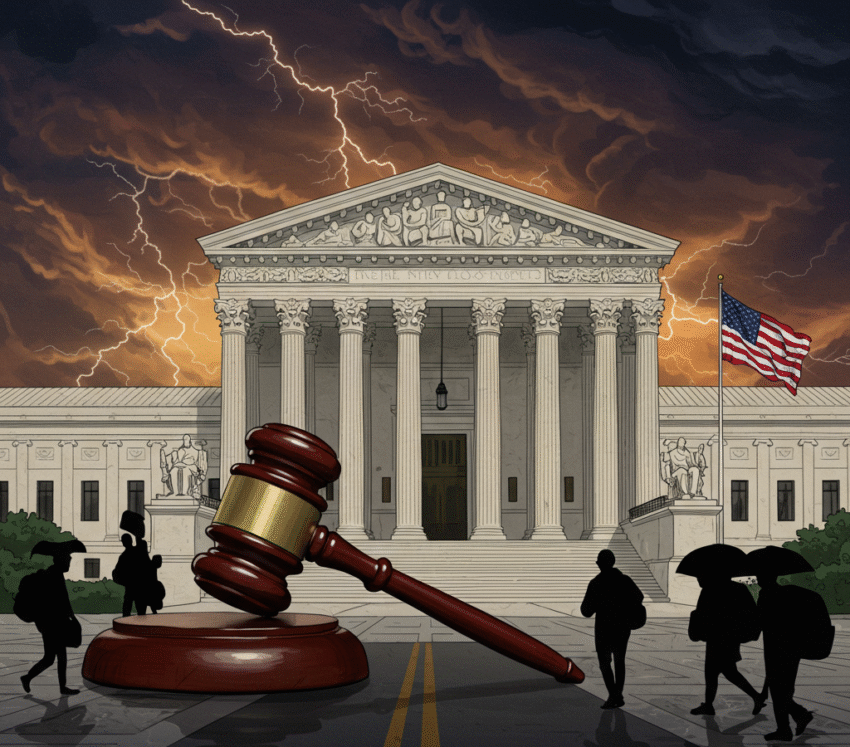
Big Changes in Immigration Laws: What the Latest U.S. Supreme Court Ruling Means
Imagine being told you have to leave your home—but not to return to your own country, instead to another country where you’ve never lived. Sounds confusing, right?
That’s exactly the heart of a recent U.S. Supreme Court decision that’s now changing the way immigration law works. The high court just ruled that the federal government can deport noncitizens to countries that aren’t their native homeland under certain conditions. Let’s break it all down in plain English and talk about what this means for migrants, the U.S. government, and everyday people like you and me.
So, What Just Happened?
On June 21, 2024, the U.S. Supreme Court delivered a 5-4 decision that lifted some major restrictions on where the government can send people who are being deported. In simple terms, the court said it’s okay for the U.S. to deport noncitizens to a country that isn’t their own—if that country agrees to take them.
Before this ruling, the prevailing belief was that deported migrants had to be returned to their country of nationality. This new decision flips that idea on its head, opening the door for more flexibility in how deportations are carried out.
Quick Recap of the Case
The case centered around a man named Anvar Turabaliyev, a Russian national who opposed the government in his home country. He fled to the U.S. in search of safety. Rather than deporting him back to Russia, the U.S. government tried to send him to a third country—Kazakhstan. Why? Because Kazakhstan agreed to take him and deemed it safe to do so.
Turabaliyev challenged this, insisting he could only be sent back to Russia. Lower courts sided with him. But now, the Supreme Court has reversed that decision, saying federal immigration authorities can deport migrants to willing third countries, even if they’re not the person’s native country.
Why This Matters
This ruling changes the way deportation works for thousands of people living in the U.S. without legal authorization. It gives immigration officials more options when carrying out deportation orders.
Here’s a simplified look at the key points:
- More flexibility: Deportees can be sent to a third country that agrees to accept them.
- Legal shift: The court reinterpreted existing immigration laws, expanding government authority.
- Immediate Impact: This decision affects migrants in legal limbo who cannot return to their home countries safely.
Diving Deeper: What the Law Says
At the heart of the debate was a part of U.S. immigration law called Section 1231(b)(2). The law focuses on what to do when someone is ordered to be deported. It outlines different steps for determining where a person can be sent.
The existing rules say deportees should first be returned to their country of birth, nationality, or citizenship. If none of those options are available or safe, then other countries can be considered.
The Supreme Court now says the government doesn’t have to follow this list in a strict order. If the destination country gives the green light and it’s safe for the person to go there, then the government can proceed with sending them there.
Voices From the Courtroom: A Divided Opinion
The justices didn’t see eye-to-eye on this one. The majority opinion—written by Justice Samuel Alito and supported by four others—said the law allows the government some wiggle room as long as certain conditions are met.
But in her dissent, Justice Ketanji Brown Jackson warned that the majority’s decision could pave the way for unjust treatment. She argued that sending people to countries they’ve never lived in could lead to dangerous and unfair outcomes.
Majority vs. Dissenting Views
| Side | Key Argument | Concern |
|---|---|---|
| Majority (5 justices) | Government can deport migrants to third countries if those countries agree | Expands government power in managing deportations |
| Dissent (4 justices) | Such deportations violate migrants’ rights | Could lead to human rights issues and legal overreach |
How Does This Affect Migrants?
Many migrants come to the U.S. seeking refuge from violence, political persecution, or natural disasters. For those unable to return safely to their home country, this new ruling could mean facing deportation to completely unfamiliar nations.
Imagine escaping hardship, finding stability in the U.S., and then learning you might be sent to a country where you don’t speak the language, have no family, and no support system. The uncertainty can be overwhelming.
This change can also target migrants who are stateless or whose country refuses to take them back. It gives immigration enforcement more tools, but possibly at great cost to human dignity and safety.
What Does This Mean for Everyday Americans?
Even if you’re not an immigrant, this ruling could still affect your community. For example, local shelters, hospitals, and schools may see changes in demand if migrants are moved in or out of certain areas quickly. On a broader scale, this decision reflects how the U.S. is choosing to handle migration—a deeply human issue involving families, children, and people who’ve risked everything for a better life.
It also reveals the ongoing tug-of-war between the different branches of government over how immigration laws should be interpreted and enforced.
What Happens Next?
Now that the Supreme Court has set this new legal precedent, immigration agencies are likely to start reassessing deportation plans for many noncitizens. You can expect more cases to emerge—some with potential conflicts or human rights concerns.
Legal advocacy groups are gearing up to challenge potential abuses, and immigration lawyers are advising clients to be prepared for new deportation strategies.
Final Thoughts
This ruling reminds us that immigration isn’t just a legal issue—it’s a personal one. Behind every case is a human being navigating an uncertain future. As policies evolve, it’s important for us all to stay informed, ask questions, and think critically about the impact these laws have on real lives.
Key Takeaways
- The Supreme Court now allows deportation to third countries with consent.
- This marks a shift in how immigration law is read and enforced.
- Human rights advocates are concerned about unintended consequences.
- Immigration enforcement is expected to be more flexible—but also more complex.
What do you think about this new approach? Is it a practical solution or a legal overreach? Share your thoughts in the comments below—let’s start the conversation.