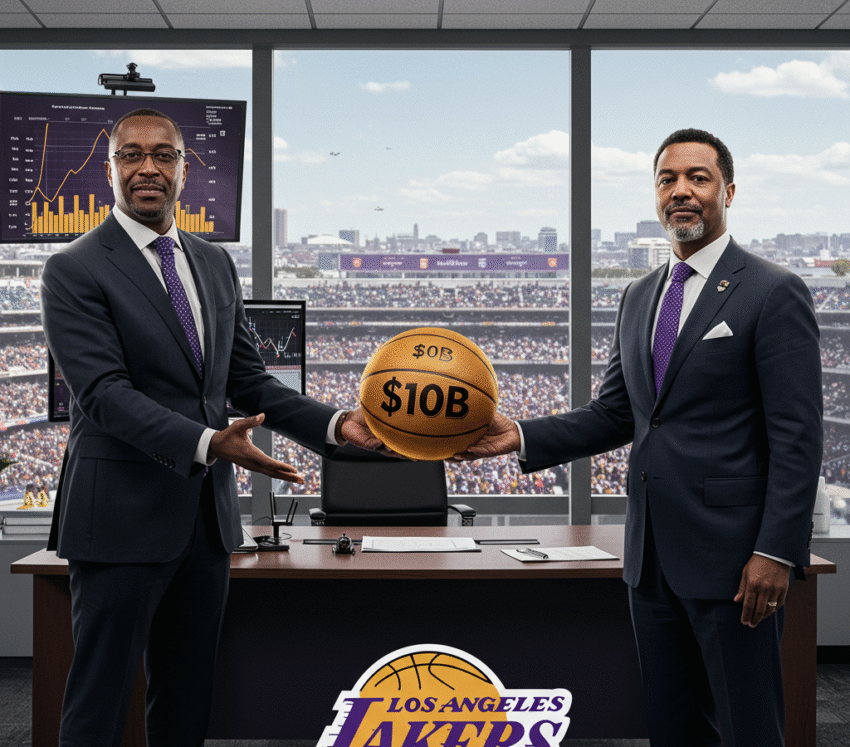
The Buss Family Sells Part of the Lakers: What the $10 Billion Valuation Really Means
If you’re a basketball fan—or even just someone who keeps an eye on big-money moves—you’ve probably heard the buzz: the iconic Los Angeles Lakers have been valued at an eye-popping $10 billion as part of a recent ownership shift. But what does that actually mean? Who sold what? And how does this affect the team? Let’s break it all down in a way that makes sense for everyday readers.
First Up: Who Owns the Lakers?
For decades, the Lakers have been tightly controlled by the Buss family. It all started with Dr. Jerry Buss, who bought the franchise back in 1979. He wasn’t just buying a basketball team—he was buying into a legacy. Since his passing in 2013, control of the team passed to his six children, with Jeanie Buss taking the reins as controlling owner and team president.
How the Ownership Was Divided
The Buss family’s ownership is structured under an entity known as the “Buss Family Trust.” Here’s how the shares were split before the recent news:
| Shareholder | Approximate Stake |
|---|---|
| Buss Family Trust | 66% |
| Minority Owners (including investors like Patrick Soon-Shiong) | 34% |
Now here’s where it gets interesting.
What Just Happened: A Big-Time Sale
One of the six Buss siblings sold their shares in the Lakers. This triggered a valuation of the entire team at a staggering $10 billion. However, the Lakers themselves weren’t sold. Only a portion of the personal shares were bought, which is very different from selling the team outright.
To put it in perspective, imagine you and your siblings jointly own a prized family home. One sibling decides to cash out and sells their share to an outsider, and the price they’re paid values the whole house at $10 million. That doesn’t mean the entire house was sold, right? It just means the market thinks the whole thing is worth a lot. The same idea applies here.
Who Bought In?
So, who grabbed a piece of the Lakers pie? The buyer remains unnamed in the official reports, but what we do know is that they paid a premium to get in. That tells us one thing loud and clear—owning part of the Lakers is a hot commodity.
Why Is the Team Valued at $10 Billion?
$10 billion is no pocket change. So what’s behind that sky-high number? A few factors give the Lakers such an impressive valuation:
- Massive brand power – The Lakers are one of the most iconic sports franchises in the world.
- Historical success – They’ve won 17 NBA championships, tied for most in league history.
- Prime location – Based in Los Angeles, the team benefits from a loyal fan base and media exposure.
- Lucrative TV deals – The Lakers’ local media rights deal is among the biggest in sports.
- Merchandise and global reach – With fans spanning the globe, the Lakers are a brand that prints money.
So yes, $10 billion might sound insane, but in the world of professional sports, it’s not out of the question.
How Does This Impact the Lakers on the Court?
Now let’s get to what many of you are really wondering—will this ownership change affect how the Lakers play?
The short answer? Probably not.
The Buss family still maintains majority control through their trust. Jeanie Buss is still calling the shots, and the rest of the leadership team remains intact. That means player trades, salary cap decisions, and coaching hires are still very much being managed by the same folks who’ve been running things.
Could This Mean More Investors Down the Line?
This sale might just open the door to more changes down the road. The high valuation is a strong signal to wealthy individuals and investment groups that buying into the Lakers—even as a minority shareholder—is a solid bet. But any major changes to the franchise would still require the Buss family’s approval.
Think of it like owning the majority of a pizza. Even if you sell a few slices, as long as you own more than half, it’s still your pizza. That’s the kind of control the Buss family has here.
What It Says About the NBA’s Future
There’s another big takeaway here that goes beyond just the Lakers: the NBA is booming.
In recent years, we’ve seen rising franchise values across the board—from the Golden State Warriors to smaller market teams like the Milwaukee Bucks. Media rights, streaming, and global interest have all driven up the price tags of pro sports teams. This latest sale just confirms that trend.
What Fans Should Keep an Eye On
Though most of the action is happening behind the scenes, fans can still look out for a few things:
- New voices in the boardroom – While minority owners usually don’t get a say in day-to-day operations, they could influence long-term strategies.
- Market impact – This valuation might encourage other teams to explore partial sales or valuation audits.
- Continued team performance – All eyes are still on how the Lakers perform on the court—especially with LeBron James still in the mix and retirement rumors swirling.
The Bottom Line
This partial sale doesn’t mean the Lakers are changing hands. Far from it. But it does shine a spotlight on just how valuable pro sports teams—especially global icons like the Lakers—have become.
So next time you’re watching a Lakers game and see the packed arena, the flashy jerseys, or the global sponsors splashed on the court, remember this: there’s more than just basketball at play—it’s big business, and business is booming.
What Do You Think?
Would you buy a slice of your favorite sports team if you could? What do you make of a $10 billion valuation—is it earned or overhyped? Let us know in the comments!
In the meantime, sit back, grab some popcorn, and enjoy the game. Because whether on the court or in the boardroom, the Lakers always find a way to stay in the spotlight.