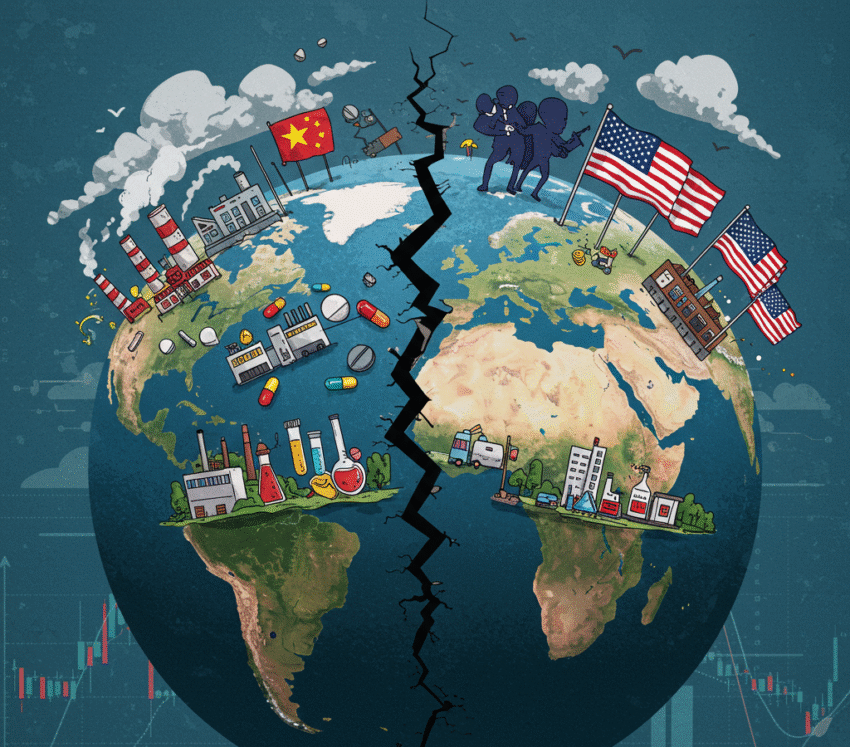
How Rising Tensions Between China and the U.S. Are Shaking Up Pharma Projects
The relationship between China and the United States has been bumpy for years. But lately, those bumps are starting to feel more like mountains—especially for the pharmaceutical industry. Big plans and promising projects are now slowing down, or worse, being halted altogether due to rising geopolitical tensions.
What does this mean for the future of new medicines, global supply chains, and companies trying to innovate? Let’s break it all down in simple terms.
Global Pharma Is Feeling the Strain
If you’ve been following the news, you know that tensions between the U.S. and China have been heating up. Tariffs, tech wars, and now pharma politics are coming into play. And it’s more than just government policies—companies are feeling the pressure too.
Recently, several projects that rely on cross-border collaborations have hit roadblocks. Chinese pharma companies working with U.S.-based partners (and vice versa) are suddenly finding their plans delayed or even canceled. Some industry experts believe this could signal a big shift—away from global collaboration and toward more regional or localized operations.
Why Does This Matter?
You might be thinking, “Okay, so a few projects are delayed—what’s the big deal?” Here’s why it matters:
- New drugs could take longer to reach patients.
- Investor confidence is shaky, making funding harder to secure.
- Innovation could slow down due to fractured research efforts.
- Global drug supply chains may become less reliable.
Essentially, it’s not just a business problem—it could become a healthcare issue, too.
Real-World Examples: Who’s Affected?
Several companies, both Chinese and U.S.-based, have already reported disruptions in their pharma projects due to cross-border hurdles. Let’s take a look at a few:
| Company | Country | Project Type | Status |
|---|---|---|---|
| Asymchem Laboratories | China | CDMO facility in Massachusetts | Facing Disruptions |
| WuXi Biologics | China | Development and manufacturing | Hiring Slowdown in U.S. Projects |
| Legend Biotech | China/U.S. | CAR-T therapy manufacturing | Review of Cross-Border Controls |
These are not minor players. They’re some of the biggest names in pharmaceutical research and manufacturing. If they’re struggling, it’s a safe bet smaller firms are feeling the squeeze, too.
What’s Causing the Disruptions?
The key issue is political mistrust. The U.S. is wary of Chinese companies handling sensitive data or technology, especially when it involves genetic information. On the flip side, China is skeptical of U.S. influence on its tech development and domestic policies. This back-and-forth has led to:
- Tighter regulations on foreign investment
- Increased scrutiny of biotech companies’ operations
- Delays in project approvals and licensing
- Security reviews for international partnerships
A real-world analogy? It’s like planning a wedding while your in-laws on both sides are fighting. Not only is the big day at risk, but the whole relationship could suffer.
How Are Companies Responding?
So, what do you do when the ground is shaking beneath your feet? You find solid footing. And that’s exactly what many pharmaceutical firms are trying to do.
Here’s how they’re adapting:
- Shifting Supply Chains: Companies are looking to diversify their manufacturing—moving some operations to Europe, India, or Southeast Asia to reduce risk.
- Focusing on Domestic Strength: Firms are investing more in local R&D and production facilities.
- Re-evaluating Partnerships: Some are pausing joint ventures and focusing on less politically sensitive collaborations.
- Increasing Transparency: To avoid suspicion, companies are working to improve compliance and data privacy measures.
Of course, these changes require time and money. And for smaller companies, making these shifts isn’t easy.
Is This the End of Global Pharma Collaboration?
Not necessarily. Collaboration in science is like gravity—it pulls people together naturally because the benefits are just too great to ignore. Cutting-edge drugs, life-saving treatments, and new biotech developments often come from international teams working together.
So, while current tensions are creating speed bumps, most experts don’t believe they’ll cause a total shutdown. Instead, we might see more cautious, carefully planned partnerships that can work within tighter rules.
Looking Ahead: What Should We Expect?
For now, the future of China-U.S. pharmaceutical collaboration will likely depend on a few key factors:
- Policy Changes: Will governments ease restrictions or add more roadblocks?
- Market Needs: If a breakthrough drug needs both U.S. tech and Chinese production, will exceptions be made?
- Public Pressure: Will communities demand faster access to medicines, pushing leaders to cooperate more?
As global health challenges like cancer, rare diseases, and infectious outbreaks continue to grow, cooperation may become not just helpful—but necessary.
Final Thoughts
While the headlines talk about political battles and economic strategies, the human side of this story often goes untold. The real losers in this standoff could be the patients waiting for new treatments, or the scientists whose life’s work is caught in red tape.
Here’s a question to ponder: If science knows no borders, should innovation be stalled by them?
As someone who has seen the power of international collaboration create medical miracles—from lifesaving vaccines to cutting-edge cancer therapies—it’s hard not to hope that governments find a way to work together. After all, when it comes to health, we’re all on the same team.
Thanks for sticking around to explore this important issue. If you’re passionate about pharmaceutical innovation or global health, stay tuned—we’ll be following this story as it unfolds.
SEO Keywords Used:
China pharma projects, U.S.-China tensions, pharmaceutical industry disruptions, global drug supply chain, pharma collaborations, biotech regulations, cross-border pharmaceutical investments, pharmaceutical policy changes