Israel’s Stock Market Ends Higher: What Does It Mean for Investors?
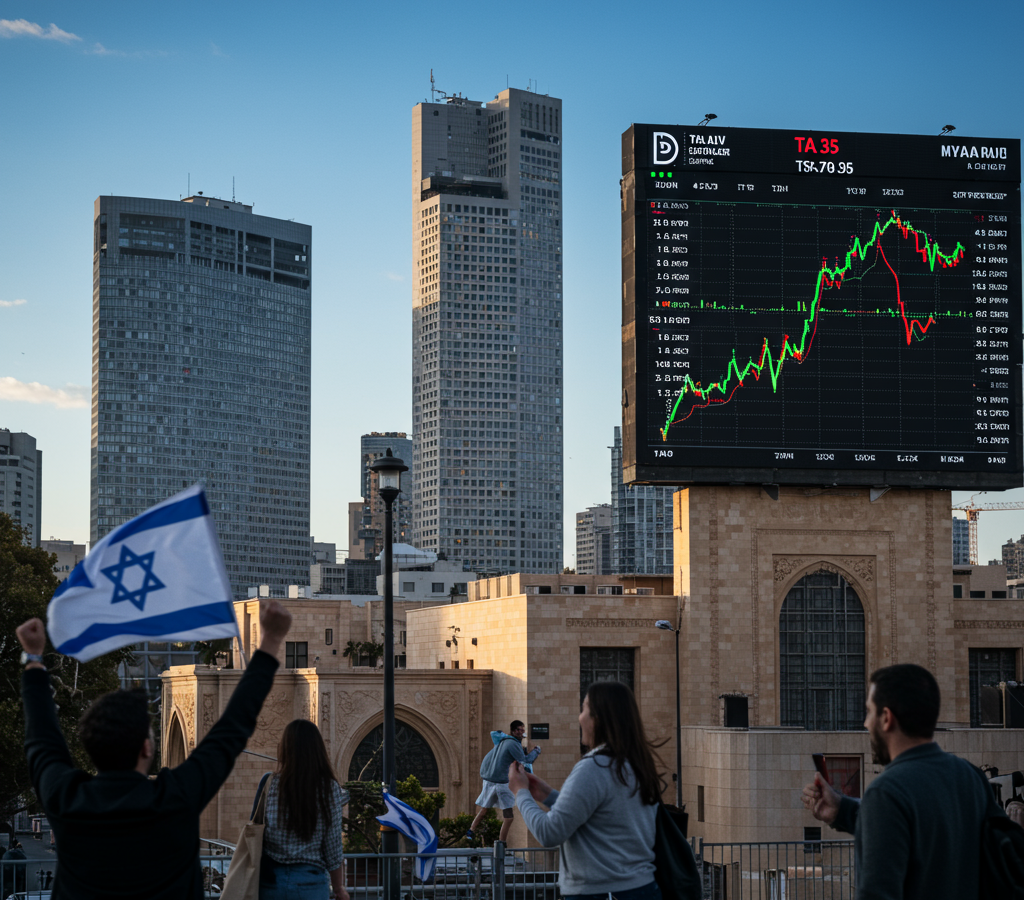
Ever wondered how the stock market in Israel is doing? On Sunday, Israel’s TA-35 index edged higher, giving investors a glimpse of optimism. While the gains were modest, they reveal interesting activity in the Israeli economy and stock market.
If you’re new to investing or just curious about what’s happening overseas, we’ll walk through the latest updates in a way that’s easy to understand. Get ready for a deep dive – but don’t worry, we’ll keep the jargon to a minimum!
Quick Snapshot: Israel’s TA-35 Index Ends Up
At the end of Sunday’s trading session, the TA-35 index – which includes 35 of the largest companies on the Tel Aviv Stock Exchange – saw a slight increase of 0.03%. While this isn’t a massive surge, small gains can point to resilience in the market. Especially during times when global markets are facing uncertainty.
Why Should You Care?
Even if you’re not directly investing in Israeli stocks, markets are more connected than ever. Economic shifts in one country can cause ripple effects elsewhere. Plus, companies within the TA-35 operate in industries like tech, energy, and pharmaceuticals – sectors that influence global trends.
Top Gainers and Losers: Who Made Moves?
Let’s break down some of the key players from Sunday’s trading. These were the stocks that saw the most significant ups and downs:
| Top Gainers | Price Change (%) |
|---|---|
| Nova | +3.62% |
| OPC Energy | +2.64% |
| Elbit Systems | +1.88% |
| Top Losers | Price Change (%) |
|---|---|
| Liveperson | -2.26% |
| Tower Semiconductor | -0.84% |
| Airport City | -0.82% |
These movements give us insights into which industries had a good day and which ones struggled.
What’s the Bigger Picture?
A lot of factors influence how a stock performs—company news, earnings reports, economic data, and even weather disasters. But, broader investor sentiment often plays a key role too.
For example, Nova’s 3.62% jump signals strong investor confidence in Israeli tech, which continues to be a driving force in the country’s economy. On the flip side, declines in companies like Liveperson show there might be lingering doubts about certain sectors, especially those that rely heavily on international markets.
It’s Not Just About the Numbers
When you see percentages like +3.62% or -2.26%, it’s easy to get caught up in the math. But behind each swing are decisions, innovations, market fears, or belief in the future. Some of the biggest gains come from investor anticipation of upcoming tech releases or government contracts — and the sharp falls? Sometimes just linked to a missed earnings report or industry trend.
What’s Happening in the Broader Market?
Looking at the general picture, rising stocks outpaced falling ones on the Tel Aviv Stock Exchange. That’s generally a good sign—it reflects upward momentum and market optimism.
Here’s how that looked in numbers:
- 203 stocks rose
- 154 stocks declined
- 24 stocks stayed unchanged
This suggests that investors were feeling cautiously optimistic, even if the overall index gain was tiny.
Currency Check: Shekel Movements Against Global Currencies
Currency rates can significantly affect international trade and investment. Here’s how the Israeli Shekel moved:
- The USD/ILS exchange rate dropped 0.14% to 3.75 – making the shekel slightly stronger against the dollar.
- The EUR/ILS exchange rate fell 0.29% to 4.07 – showing similar strength against the euro.
When a currency strengthens, it often means investors feel more confident in that economy. A strong shekel can also make imported goods cheaper, easing inflation locally.
What Can Investors Learn from This?
So, what should you take away from all this?
- Watch for industry trends: Tech and energy had a good day – these sectors might continue to be promising.
- Diversify: The mix of gainers and losers shows the importance of having a balanced portfolio.
- Stay informed: Market movements often signal deeper economic shifts. Tracking the performance of international indices like the TA-35 adds context to our local investments.
Real-Life Example
I remember when I first started investing – I would only look at U.S. markets. But a friend of mine, who’s originally from Israel, suggested I take a look at some of their tech companies. I did some research and added one small Israeli firm to my watchlist. A few months later, that stock outperformed several of my top picks. Tracking markets outside your own isn’t just interesting—it can be profitable too.
Final Thoughts
While Sunday’s market gain in Israel was small, it’s part of a much larger story. Investors are slowly adjusting to global uncertainties and seeking opportunities in reliable industries. Growth may be slow and steady—but for many, that’s far better than unpredictable swings.
The next time you hear about international indices like the TA-35, take a closer look. What seems like a small movement may be part of a growing trend.
Are you keeping a global perspective in your investment strategy? Whether you’re a beginner or a seasoned trader, expanding your outlook to include international markets like Israel may just give you the edge you’ve been looking for.
Looking to Learn More?
If you’re interested in other international stock trends, check out our blogs on:
- How the European Markets Are Adapting Post-Crisis
- Tech Stocks to Watch in Emerging Markets
- Currency Wars: How Exchange Rates Affect Your Portfolio
Stay curious, keep learning, and remember—smart investing is about both patience and perspective.