Kapsch TrafficCom’s Tough Year: What Went Wrong Despite Steady Revenue?
Every now and then, we see companies that seem stable on the surface—sales look solid, employees are busy, and operations appear to be ticking along. But when you peek under the hood, the story changes. That’s exactly what happened with Kapsch TrafficCom during their 2024/2025 fiscal year.
Revenue stayed steady, but profits took a major hit. For those of us who aren’t financial wizards, this may seem surprising. How can a company make the same money but earn way less? Let’s break it down, keep it simple, and see what everyday business folks and investors can learn from this.
Quick Snapshot of the Situation
Here’s a simple breakdown of the key financials for Kapsch TrafficCom in the 2024/2025 fiscal year:
| Financial Metric | FY 2023/24 | FY 2024/25 (Projected) | Change |
|---|---|---|---|
| Revenue | €553 million | Stable (about the same) | ≈ 0% |
| EBIT (Earnings Before Interest & Taxes) | €26 million | €4 million | -85% |
| Net Profit | Modest | Significantly lower | Drop expected |
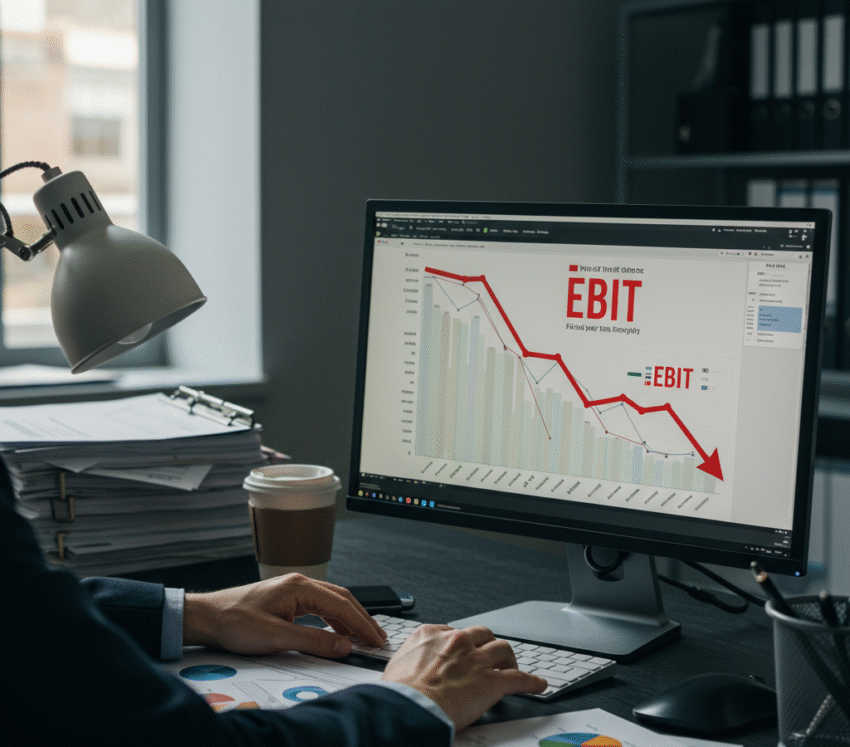
As you can see, revenue didn’t change much. But the company’s earnings (EBIT) fell sharply—from €26 million to just €4 million. That’s a staggering drop of 85%.
So, What’s Behind the Big Profit Drop?
If money coming in stayed the same, then why did profits plunge? Think of it like running a lemonade stand. You’re still selling as many cups as before, but lemons have become more expensive, your stand’s rent went up, and you now pay someone to help. Boom—your costs exploded, and your pocket ends up lighter.
Kapsch TrafficCom is going through something similar, and here are the key reasons:
- Higher labor and material costs—Inflation and other market pressures have made everything more expensive.
- Delayed projects—Some important customer projects had setbacks, which means income was postponed but costs continued.
- Research and new business costs—The company is putting energy (and money) into new areas, such as urban mobility and digital technologies. This is an investment in future growth but reduces profits now.
- Changes in service business margins—The profits from their service side shrank due to the mix of projects they’re working on now versus in the past.
What Exactly Does Kapsch TrafficCom Do?
If you’re not familiar with the name, here’s a quick refresher. Kapsch TrafficCom is an Austrian technology company that’s been around for years. They specialize in intelligent transportation systems—think tolling systems, traffic management, and smart mobility solutions. Their tech helps reduce traffic congestion and make roads safer and more efficient.
In recent years, they’ve been pushing into new areas, too, like urban mobility, connected vehicles, and sustainable transport. These are smart moves for the future, but like starting any new business, they cost money up front.
Leadership Stays Positive – But with Caution
Despite this rough patch, Kapsch TrafficCom’s leadership is far from throwing in the towel. CEO Georg Kapsch emphasized that while financial results have been disappointing, they remain confident in their strategy. They believe that investments being made now will pay off longer-term.
But even so, they’ve adjusted their expectations for the next year. Originally, they were betting on an EBIT margin of 5%. Now, they think it’ll land between 1% and 3%. Still positive—but not close to past levels.
Lessons for Businesses and Investors
This story isn’t just about one company’s ups and downs. It carries some powerful lessons that small businesses, entrepreneurs, and even regular investors can take to heart:
1. Growth Costs Money
Investing in the future—like developing new technologies or entering new markets—is important, but it eats into profits in the short term. Just like remodeling your kitchen means shelling out a good chunk of savings now so your house looks great (and is worth more) later on.
2. Not All Revenue Is Equal
It’s easy to celebrate when revenue stays flat during a tough year. But rising expenses, shrinking margins, or delays can still eat away at the bottom line. Always dig deeper than the top number.
3. Leadership Matters More Than Ever
Crisis or no, management’s vision and clear communication help steer a company forward. Kapsch’s leaders are staying transparent and doubling down on their goals—even if they take longer than expected to reach. That kind of steadiness sends the right message to employees and investors alike.
What’s Next for Kapsch TrafficCom?
Looking ahead, the company plans to continue its investment in future tech and improve operational efficiency. They want to find that sweet spot where smart spending helps profits grow again. Think of it like finally reaping the harvest after years of planting seeds.
It won’t be easy. They admit they’ll have to keep margins tight in the near term. But if their bets pay off in areas like smart city solutions and digital traffic ecosystems, they might bounce back even stronger.
Final Thoughts
Kapsch TrafficCom’s story is a reminder that the business world is rarely black and white. You can bring in the same revenue as last year, but see your profits disappear if your costs climb or your investments haven’t matured yet.
If you’re someone running a business, managing a side hustle, or even just watching the stock market, this example is gold. It shows that what looks like “no change” on the surface can hide deep changes underneath. And that long-term vision sometimes means short-term sacrifice.
So, the next time you hear about a company with “stable revenue,” your first question should be: “Yeah, but what did it cost them to earn it?”
Let’s Talk!
Have you or your business ever had a “Kapsch moment”? That time when things seemed okay, but your bottom line told a different story? Or maybe you’ve made a big investment and had to play the long game? Share your thoughts or experiences in the comments—I’d love to hear your take!
Keywords: Kapsch TrafficCom, financial performance 2024, EBIT drop, stable revenue, smart mobility solutions, urban mobility investment, traffic tech company Austria, business lessons, corporate earnings.