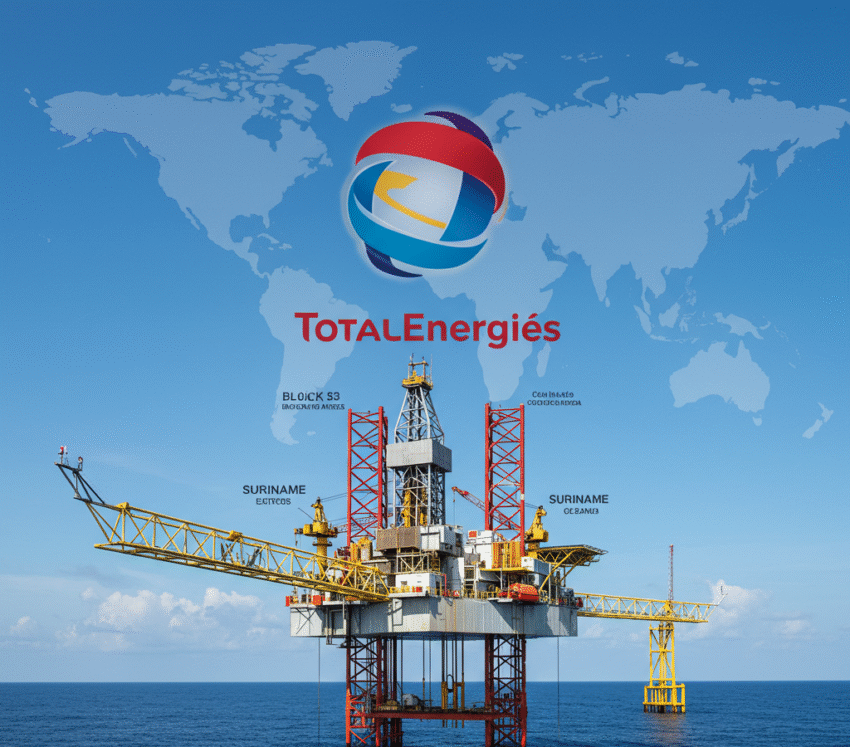
TotalEnergies Doubles Down on Suriname: What Their New Stake in Block 53 Means
Big moves are happening off the coast of South America—and oil and gas company TotalEnergies is right at the center of it. Recently, they announced a new strategic partnership involving Suriname’s Block 53, sparking interest across the energy industry. But what does it all really mean?
Let’s break it down in simple terms. Whether you’re an energy enthusiast, an investor, or just curious about what’s happening in global oil exploration, we’ve got you covered.
So, What’s the Big News?
On June 17, 2024, TotalEnergies revealed that it has acquired a 25% stake in Block 53, a deepwater oil exploration zone off the coast of Suriname—South America’s smallest country, sitting just next to Guyana. They did this by buying in from APA Corporation, a company that has already been exploring the area.
Why is this significant? Because Block 53 isn’t just a patch of ocean. It’s part of a much larger story about energy exploration in a region many are calling the “next big oil frontier.”
Let’s Look at the Deal
TotalEnergies joined a partnership with these key players:
- APA Corporation — They were the original major holder in Block 53 and now own 45% after selling part of their stake.
- TotalEnergies — The new player on the block with 25% ownership.
- Petronas — A Malaysian oil company that holds a 30% stake.
Block 53 Ownership Breakdown
| Company | Ownership Percentage |
|---|---|
| APA Corporation | 45% |
| TotalEnergies | 25% |
| Petronas | 30% |
This balanced partnership is now in charge of further exploring and potentially developing any oil found in the block.
Why Suriname? Why Now?
You might wonder—why are major companies like TotalEnergies flocking to Suriname? It all comes down to one word: potential. The region is believed to sit on vast oil reserves. Just like in neighboring Guyana, offshore wells in Suriname have started showing signs of significant oil discoveries.
In fact, Block 53 has already seen two exploration wells drilled: Baja-1 and Rasper-1. Although these didn’t strike oil in commercially viable volumes, the geology looks promising. It’s sort of like digging a sandbox and finding clues that treasure might be nearby—you don’t stop digging just yet.
TotalEnergies—No Stranger to Suriname
Here’s the interesting part: this isn’t TotalEnergies’ first rodeo in Suriname’s waters. They already hold a 50% stake in Block 58, one of the most promising exploration zones in the region. APA is their partner there too, and together they’ve already hit oil in several wells.
So, with this new acquisition, you could say TotalEnergies is doubling down on Suriname. They’re spreading their bets to not just one but two major exploration zones.
Who Benefits From This?
It’s not just the companies that stand to gain from this deal. Let’s look at the bigger picture:
- Suriname – As a developing country, any successful oil projects could inject major revenue into its economy and help fund infrastructure, schools, and healthcare.
- Investors – A successful oil strike makes energy stocks—and the companies involved—more attractive to stockholders.
- The Global Energy Market – With energy security being a global concern, new oil discoveries help diversify supply and stabilize prices.
The Global Context: Cleaner Energy Goals Meet Today’s Energy Needs
But here’s where things get a little tricky. TotalEnergies has committed to becoming a clean energy leader. So, how does diving deeper into oil exploration align with those goals?
This is where balance comes into play. Oil and gas still play a major role in meeting the world’s energy demand. While TotalEnergies is investing in solar, wind, and hydrogen, they’re also staying relevant in traditional energy. Think of it like having a diversified financial portfolio: it’s safer to bet on a mix than just one card.
What’s Next for Block 53?
The journey is far from over. The partnership will now dig deeper—literally and figuratively—to see whether Block 53 can live up to its potential. Future exploration campaigns are expected, which means more drilling, more data, and hopefully, more discoveries.
According to TotalEnergies, these next steps are critical. They’ll help decide whether a full-scale development project is viable. And that’s when things could really take off.
Final Thoughts: Is This a Smart Move for TotalEnergies?
If you ask us, the move makes sense. Here’s why:
- They already know the region well thanks to their work in Block 58.
- They’re teaming with trusted partners like APA Corporation and Petronas.
- The region holds untapped potential that could make a big difference in global oil production.
Of course, oil exploration always carries risks. But with a carefully selected team and a promising geological profile, TotalEnergies seems ready to take that chance.
What Does This Mean for You?
If you’re an investor, it might be worth keeping an eye on energy companies with exposure in Suriname. If you’re environmentally conscious, this kind of development may spark questions about fossil fuel dependency. And if you’re just a curious observer, now’s a fascinating time to watch how a small country like Suriname may become a global energy player.
Either way, one thing is clear: the world is watching. And what happens next in Block 53 could make waves—literally and figuratively—for years to come.
Stay Tuned
We’ll be keeping an eye on how TotalEnergies and its partners progress in Suriname. Will Block 53 turn into the next big discovery? Only time (and a few more deepwater drills) will tell.
Thanks for reading and stay curious!
Tip: If you’re interested in the intersection of global energy trends and investing opportunities, be sure to subscribe to our blog for real-time insights!